Blog / Does a Racing Driver Need a Website?
Does a Racing Driver Need a Website?
October 13, 2026 · RacrHub
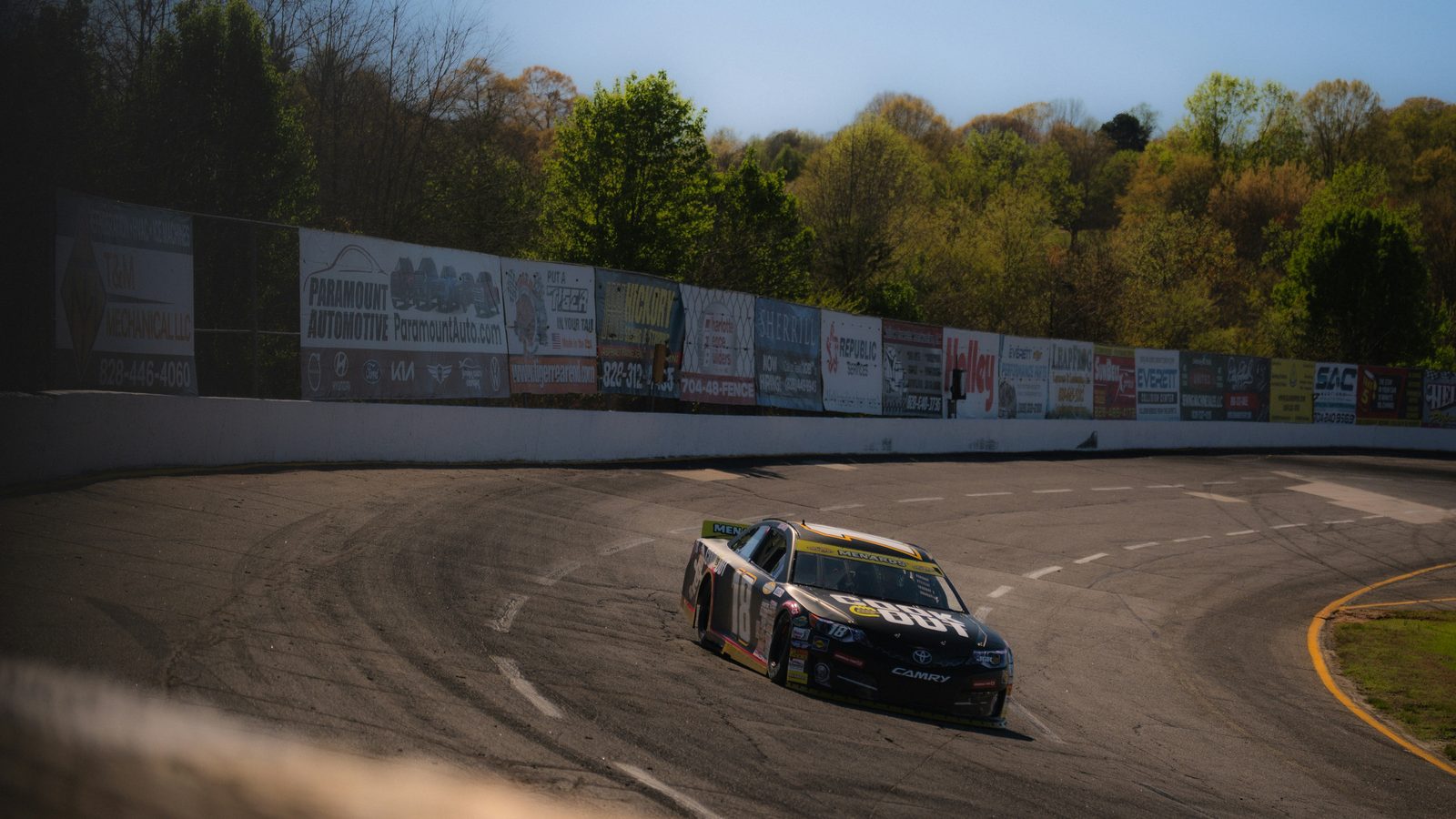
Does a Racing Driver Need a Website?
In 2021 Samuel Pawlak raced his first season of karts. He had founded the design studio Ikoniqa, now Grand Prix Studio, and the program was Ikoniqa Racing: a black and teal #9 in a class that required the ROK GP, a 125cc engine. The plan was to pay for the season with sponsors and publish how it went. Outside the purchase of the kart and the gear, the running budget was about $8,000. He recouped about $2,500. Two small sponsors signed, 34 Motorsports, his local kart racing safety equipment shop, and Yellow Images, a digital mock-ups company, and he wrote that they were not exactly funding the effort. "So a pretty miserable result marketing wise," he wrote. (Grand Prix Studio)
The series was the F-Series GearUp Challenge. The last round was at his home track, New Jersey Motorsports Park, where he finished seventh in a field of 13, a group he called small. (Grand Prix Studio)
The first marketing lesson in that write-up is who tells your sponsors you exist, especially if the championship is not promoted. "Your number one channel of communication will likely be your own social media accounts and website. This means you need to do all the leg work, as there's likely nothing a series or team will offer you or your sponsors." He added that a series still has little to offer your sponsors "unless you're racing in a very large national event (and even then, sponsorship is not that common)."
Doing the social half of that and never building the page is the easy version. Race photos, a sponsor tag, a result that sits under whatever you posted next. Followers will see it. A shop owner or a team manager who searches your name gets a pile of posts and has to guess the class, the next date and the email.
A driver who wants that search to land somewhere needs a website, and a simple one will do. Instagram and TikTok carry the weekly posting. The page is where the search ends up, and it is still there after the feed has moved on.
What the feed is good for
Between weekends, the feed is where the program looks alive. A qualifying clip, or a thank-you to the shop, belongs there and should keep going up.
MyRacingPath, which sells sponsorship software, puts an active Instagram and TikTok on the list of what to have before you ask anyone for money. "You do not need 100,000 followers. You need consistent, quality content that shows your personality and dedication. Even 500 engaged followers is a start." (MyRacingPath)
Scott Lukaitis runs The Privateer's Story, a one-person site about privateers in the Monster Energy Supercross Series and the Lucas Oil Motocross Series. His work is motorsport marketing, media and management. In the May 2026 post he tells readers to research platforms and buy their own domain, and he gives the feed one job: "Social media should support your brand—not be your brand." (The Privateer's Story)
Making the posts at the track is the part Pawlak found hard, because he was the one driving. "To then shift your mindset and start filming, or taking pictures, or posting to social media is mentally very taxing." He recommends a dedicated person for it, or doing the content after the race. Hiring that person does not change what a feed is. It is a timeline, built to surface the newest thing, and the newest thing is rarely the logo, the calendar and an email address.
Pawlak is writing about a regional kart season. Lukaitis is writing about motocross privateers. A driver whose sponsor has to search for them is in the same spot.
Why the page needs to be yours
Early in that same post, Lukaitis wrote down what the platforms can take back. "You don't own any of it. Algorithms change. Platforms disappear. Accounts get hacked. Reach drops overnight." However much work the audience took, "you're ultimately building on borrowed land."
SuperHub, a marketing agency in Paignton, Devon, writes that "Social media platforms are borrowed land." Its FAQ asks whether you need a website if you already have social media, and answers, "Yes. Absolutely. This isn't even a debate." The reason it gives under professional credibility: "A proper website instantly signals to potential sponsors that you are a serious business, not just a hobbyist with an Instagram account." (SuperHub) Kelly Pfleiger runs the kart team Hornet Nation Racing with his son, and builds driver sites at P1 Web Development. "Sponsors, teams, and media people aren't going to scroll through months of posts to figure out who you are." (P1 Web Development) The layout he points to is Adam Brickley Racing: driver story, accomplishments up front, sponsors with logos and links. He has named Jim Brickley of that team as a client, so the example is a client's site. (Kelly Pfleiger)
SuperHub and Pfleiger sell websites. A business deciding whether to put, say, $500 behind you will still look you up, and a single current page can show the class, the next few dates, last season's finishes and the logos on the kart without making anyone assemble that from captions.
"The best racing websites aren't necessarily the most expensive," Lukaitis writes. They have to be organized, and they have to be current. A driver paying for the season with local deals can skip a custom build. A page that lists the next races will do more than one still showing partners who have left.
A local deal can start without one
MyRacingPath's one-page template asks for audience numbers, including "website if you have one. Even small numbers are fine; honesty beats exaggeration." Someone who already knows you can be pitched from a PDF and the feed. If a site exists, the template says to put it in the package.
TJ Koyen has the buyer's version, on a KartPulse thread started by a Junior Rotax driver who wanted to know how to get sponsored. Writing as a driver and a business owner who gets sponsorship requests from drivers every week, he said: "I don't care how many races you win, that doesn't translate into anything tangible for me. At least in my business. What does translate is how big your reach to the public/industry people is. I have a couple drivers I sponsor and the main reasons aren't their performance, it's their social media presence and their promotion of my stuff. If you have 50k followers on Instagram and tag me in a post, I see real-time results in my follows and post interactions." (KartPulse) The comment never mentions a website. He is describing an audience large enough to move his own follows, which is a different buyer from 34 Motorsports.
Pawlak's fifth lesson from that season is about what the sponsor is paying for. "A real sponsor that subsidizes your karting efforts will not do so because they're looking to utilize karting as a platform (in 99% of all cases)." His conclusion is that a sponsor covering the costs is paying for some other service from the driver or the driver's business, and that the logo is extra. The 99% is his read of that season. The posts and the page are where you keep a record of who is already on the kart, what they received, and where you are going next. We would put the page up before the ask goes to anyone who has to search your name. A neighbor who already watches the stories is a different conversation, and so is Koyen's 50k account.
What goes on it
The page has to be short enough to update after you get home. It needs who you are and what you run, the dates, results filled in after the event, partner logos and links, a few credited photos, and an email or form that works from a phone in the pits. The logos are there so the next business can see that the current partners are being looked after. Our guide to what to put on a racing driver website goes through each section and compares what the builders cost.
Pfleiger's list for sponsors is the long version of that page: a bio, results, a schedule, current partners, what you offer, and a way to get in touch. He treats a news section and a media kit as optional, for drivers further along. Lukaitis puts a media kit, news and galleries on the main list of sections. Leave those off until you have the photos, a result worth keeping, and a concrete offer. A news tab with a single old post on it tells a sponsor the program went quiet.
Buy the domain in your name. "I generally don't recommend domains that contain sponsor names as your primary domain," Lukaitis writes. You can buy the sponsor's name later and point it at the site if a deal asks for that. When the partner leaves, the domain with your name on it is the one that stays.
Link Instagram from the page, and put the page in the Instagram bio link. People who already follow you can keep using the feed. Anyone who had to search your name should land on the page.
One local deal can live on a free site-builder page and a shared photo album. A driver-profile platform will handle the layout. On RacrHub, the public page is a driver profile, with sponsors listed by tier (logos, links and deliverables), a schedule that holds results and standings, and templates whose colors you set to match your brand.
Before your next race
On your phone, open a private window, search your name, and see whether you can find what you race, where you are next, who already backs you, and a way to reach you, without opening Stories. If you cannot, put those four answers on one page under a domain with your name on it, and point the Instagram bio link there before the trailer is loaded for the next race.
FAQ
Do I need a website if I already have Instagram and Facebook?
For people who already follow you, the feed is enough. For a sponsor, a team or a reporter who searches your name, a simple page keeps your story, your dates, your results and a contact from disappearing under newer posts.
Can I get sponsors with only social media?
Yes. Small local deals often start that way. MyRacingPath's grassroots template lists a website as "if you have one." TJ Koyen, a driver and business owner posting on KartPulse, said he sponsors people for their reach and for how they promote him, and he described a 50k Instagram account tagging him as something that shows up in his own follows. That kind of deal still depends on the audience. The page is where a later sponsor can check you without scrolling the grid.
What should be on a racing driver website?
Who you are, what you race, a schedule, results you update after each event, current partners with logos and links, a few strong photos and a contact that works from a phone. Add a media kit or a news section when you have something to put in them. Pfleiger marks both as optional. Lukaitis includes them from the start. If the tab would be empty, leave it off.
How much should a club racer spend on a website?
As little as a domain in your name and a page you will keep current. Our racing driver website guide compares free builders, paid plans and a custom build. Lukaitis's line is that the best racing sites are not necessarily the most expensive. Fresh results and usable photos matter more than a custom design you will not maintain, and a free builder page is a fair way to carry one local deal.
Should my racing website domain include a sponsor's name?
Leave a sponsor's name off the main domain. Scott Lukaitis of The Privateer's Story advises against sponsor names on the primary domain. Buy the sponsor's domain later if a deal wants it, and point that name at the site you already own.
Put the story where sponsors can find it
A profile keeps your bio, partners, schedule, and results on one link you can drop into the email or deck.
Create your profileBrowse driver resources