Blog / Racing Sponsorship Recap Report: What to Send
Racing Sponsorship Recap Report: What to Send
November 3, 2026 · RacrHub
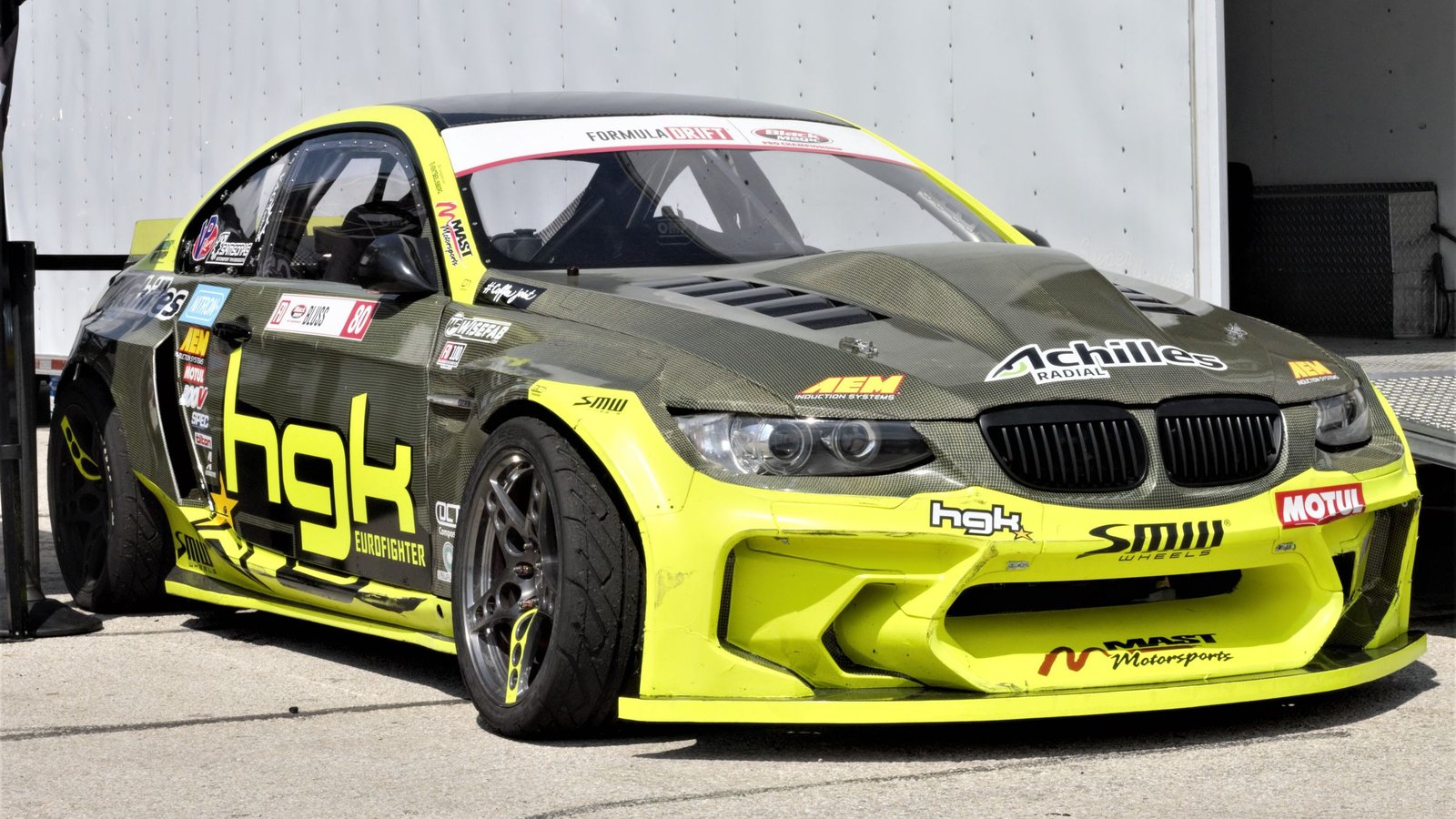
Olivier Olthof describes a simple reporting habit in his DriversPerformance sponsorship proposal guide: “My format is a short report after every second round: photos with the logo clearly visible, social statistics with screenshots, press mentions, plus an end-of-season summary document.” That gives a recap a useful shape. It is a record of what you promised, what you delivered, and what you can document.
Short answer: Send the final recap after the last promised deliverable and before the next sponsor decision you know about. If the deal runs for many rounds or includes activations, send a shorter progress update during the season. Put each commitment beside its evidence, label every result with its source and period, and finish with a defined request for the next season.
When to send it
The NSW Government sponsorship guide says to update a sponsor during delivery rather than wait until the event ends, then “provide the sponsor with a report after the event.” For a driver, that means keeping notes and links as the season runs, not reconstructing the partnership from memory in November.
Send the end-of-season version once the final promised item is complete. If the sponsor has given you a budget or marketing date, work backward from it. If there is no date, ask the contact when the review happens and use that answer to set your delivery date.
For a long season, a short mid-season email can confirm what is complete and identify a change that needs agreement. Keep it factual: list the item, link to the proof, and say what happens next. Do not use a progress email to hide a missed commitment.
Build the evidence table
Start with the signed agreement, email thread, or meeting notes. A simple table works:
| Promised | Delivered | Proof | | --- | --- | --- | | The wording and count in the agreement | What happened, including an agreed change | Link, screenshot, photo, file, or report |
Use the agreement's language. A logo placement is a placement; it is not automatically a claim about every person who saw the car. A tagged post should have its link and date. An appearance should have its date, location, and the records you kept. Record in-kind support with the item or service received and the agreed value when the agreement includes one.
That approach fits Bank of America's description of sponsorship as a value-based exchange of funding, products, or services for agreed benefits. Its guide also says sponsors expect measurable outcomes. The table gives the sponsor a way to check both sides of that exchange.
If something changed, write who agreed to the change and what replaced the original item. If it was not replaced, mark it incomplete and state how you propose to address it. A clear gap is more useful than a success claim that the evidence cannot support.
Keep each number labelled
Do not combine Instagram views, YouTube viewers, email subscribers, attendance, and press mentions into one exposure total. They measure different things. For every figure, name the source and the period: Instagram Insights, 1 September to 31 October; YouTube Studio, season to date; or an organizer's attendance report for the event date.
If the platform calls a figure views, call it views. If the sponsor supplied a code or landing page, report visits, uses, or enquiries separately from exposure. A zero is still a result worth recording when it changes the next activation.
The NSW guide lists increased attendance, digital engagement, positive brand experiences, and sponsor name recall as possible evaluation measures. You may not have a survey or official attendance count. Use the evidence you do have, identify who supplied it, and state the dates it covers. Do not replace a missing figure with an estimate that looks official.
Olivier Olthof puts the same rule plainly in that DriversPerformance guide: “Real numbers only.” Jett Johnson's LeadFoot Racing media-kit guide describes a media kit as a 2-4 page PDF. A recap has a different purpose, so use the length that lets a sponsor check the commitments without searching through unrelated material.
Photos can support the record. Add a small number of labelled files that the sponsor has permission to reuse, if that permission exists. Name the event and date in the caption. A clean logo image is useful only when the agreement called for that kind of placement or the image helps document delivery.
Make the next request specific
End the report with the next-season request. Name the package, cash or in-kind amount, dates, deliverables, activation, and any change from this season. If a smaller commitment would help, define what it includes instead of offering an open-ended discount.
The NSW guide says an annual review should consider how to enhance and improve a partnership, not only whether it renews. Use that as a prompt for the conversation: which part should stay, which part should change, and what result would make the work more useful next year? Give the contact a real choice, such as the proposed package or a revised scope, and a date for replying.
RacrHub can give you a public driver profile with sponsor logos, links, deliverables, and tiers. Its public pricing page lists up to five partners and seven days of visitor history on Free, 30-day analytics on Starter, and full-year analytics with CSV export on Pro. Those profile figures can support your recordkeeping, but they do not prove sales. Keep them beside the agreement, links, photos, attendance records, and promotion data that support the actual request.
A recap you can copy
Keep this outline with your season records and replace the brackets before sending it:
SEASON PARTNERSHIP RECAP
[Driver/team] | [series/class] | [reporting period]

Thank you: [one sentence about the partnership]

PROMISED AND DELIVERED
[Deliverable] | [date/count] | [link, screenshot, photo, or file]
[Deliverable] | [date/count] | [link, screenshot, photo, or file]
Changes: [what changed, who agreed, replacement delivered]

RESULTS AND AUDIENCE
[dated race result or standing]
[channel] | [number] | [period] | Source: [analytics/report]
[code, visit, enquiry, attendance, or other agreed measure]

PHOTO FILES
[file name] | [event/date] | [reuse permission or credit]

NEXT SEASON
Package: [name]
Request: [cash or in-kind value]
Includes: [defined deliverables and one activation]
Reply by: [real date]
Next step: [call or reply with package choice]
This outline does not replace the agreement. Use a PDF when the page needs layout or several photos; use the email body when the deal is small and the links are few. Put the result, evidence, and request where the contact can find them without opening a second folder.
FAQ
What is a racing sponsorship recap report?
A short document that compares promised deliverables with completed work, attaches evidence, reports dated results or audience measures, and states the next-season request. Keep it separate from a media kit when the sponsor needs a document focused on audience and proposal material.
How do I show sponsors what they got?
Use a promised, delivered, proof table. Link posts, add dated screenshots, identify event photos, list appearances or activations, and record codes or enquiries when those measures were agreed. Mark changes honestly.
What numbers belong in a sponsor renewal report?
Only numbers you can document and label. Separate platform views, followers, attendance, press mentions, redemptions, and enquiries. Put the source and reporting period beside each one. Do not combine unlike figures into one exposure total.
When should I send a season recap?
Send it after the final promised deliverable and before the next sponsor decision you know about. Send a shorter progress update when the deal has many rounds or includes activations that need a check during delivery.
How do I ask a local sponsor to renew?
Thank them, show the completed work, name one improvement, and offer a package with a price or in-kind request, dates, deliverables, and a reply date. Ask what they want to keep or change instead of assuming the same package fits.
Open the agreement and create the three columns: promised, delivered, proof. Add the first link while you still know where it is.
Put the story where sponsors can find it
A profile keeps your bio, partners, schedule, and results on one link you can drop into the email or deck.
Create your profileBrowse driver resources